Ode to the Oaks of Glen Ellyn
by Karin Daly, GGGE Co-Founder
If Glen Ellyn had a signature tree, it’s pretty clear it would be the oak.
Before there were European settlers here, the area was an oak savanna and open oak woodland with areas of prairie. To those arriving in the 1830s in the ‘Prairie State,’ the landscape was known as "Babcock's Grove" or the "Thousand-Acre Grove," – so even then we were an original Tree City compared to the surrounding flat prairie areas!
You can see a map of GE below with the green being the remaining remnant old growth oak forest and the brown where the oak forest existed pre-settlers. Only 17% of the region’s oak forests still exist. (Source: Oak Connectivity Map from the Morton Arboretum). Trees are like people and thrive on connection with each other. Creating these maps helps us identify where the oaks need us to help preserve and protect this important ecosystem.
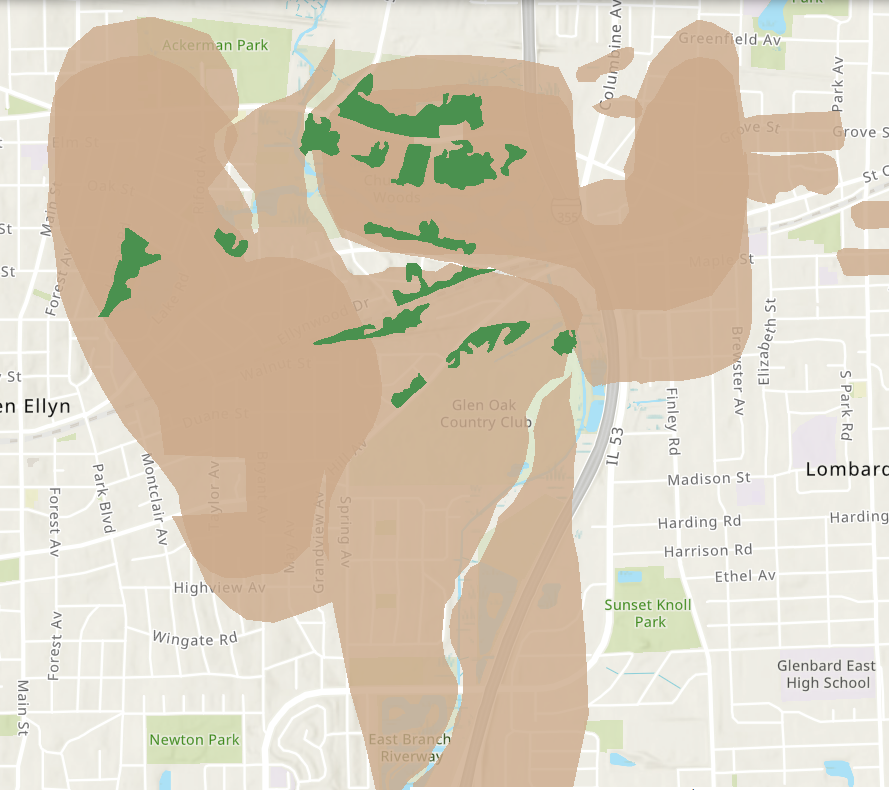
Oak Connectivity Map from Morton Arboretum
The heritage oaks at Lake Ellyn give that area its distinctive vibe and were the stars of the show at our recent OAKtoberfest. The oak forests and savannas at places like Maryknoll, Churchill Woods and the Arboretum provide us a glimpse of our oak past. Oaks provide shade, beauty, brilliant fall color—and directly connect us to the land that was here long before our streets and homes (as discussed in our last newsletter on the McKee House efforts.)
But oaks are much more than a pretty face. They are a keystone species, meaning they play a ‘key’ role in supporting the health and diversity of an ecosystem. Oaks provide food and habitat for hundreds of species of insects, birds and other wildlife, more than any other kind of tree. Their acorns feed everything from squirrels and turkeys to deer, mice and blue jays, while their leaves, bark, branches and cavities provide homes and resources for insects, birds and animals.
And we get to benefit too! Mature oaks create shade that fights against heat domes, they capture carbon and absorb pollutants and their leaves and roots suck up and slow down stormwater. Their large canopies and long life make them very valuable to our urban forest here in GE.
Celebrating Oaks at OAKtoberfest
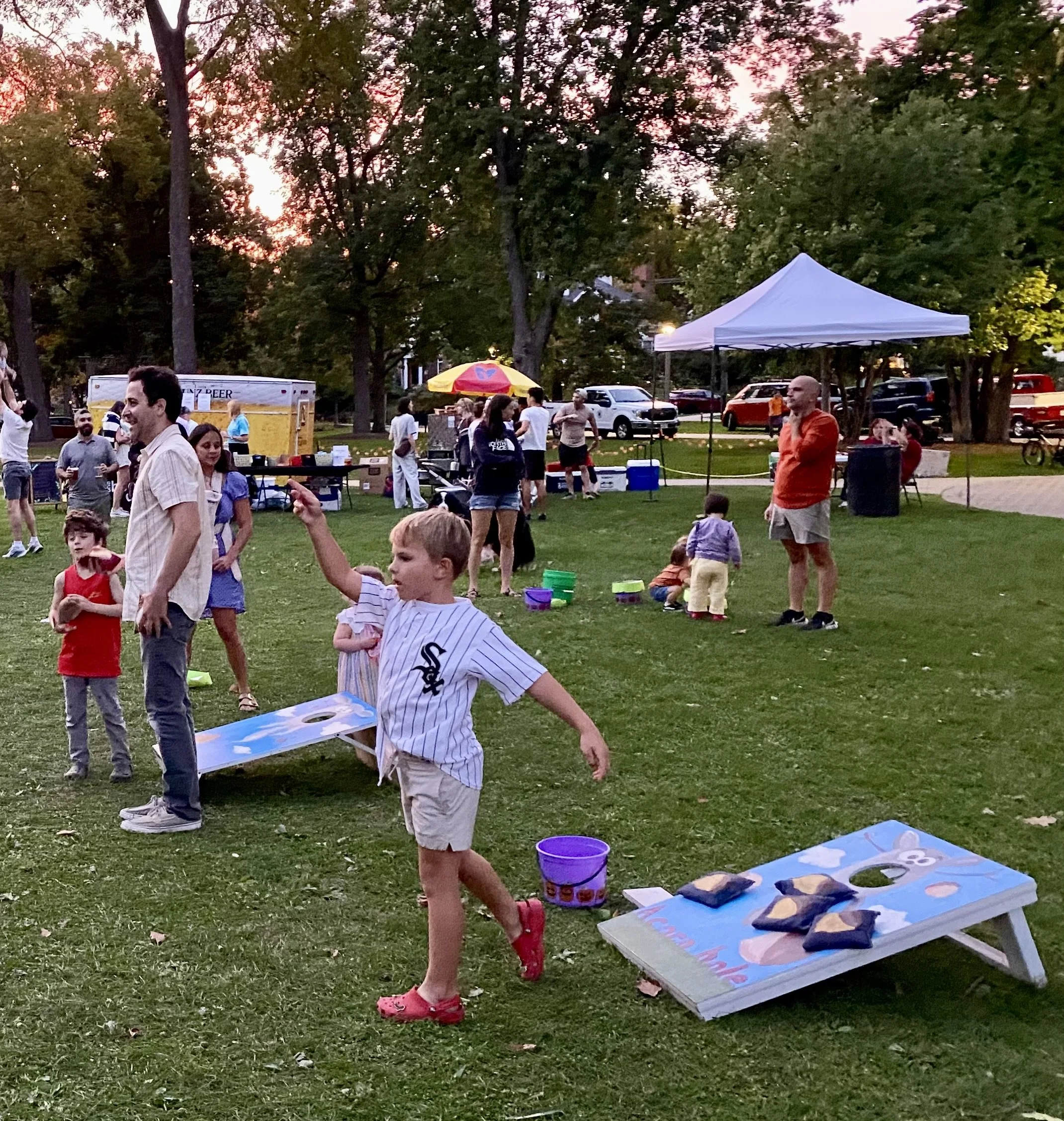
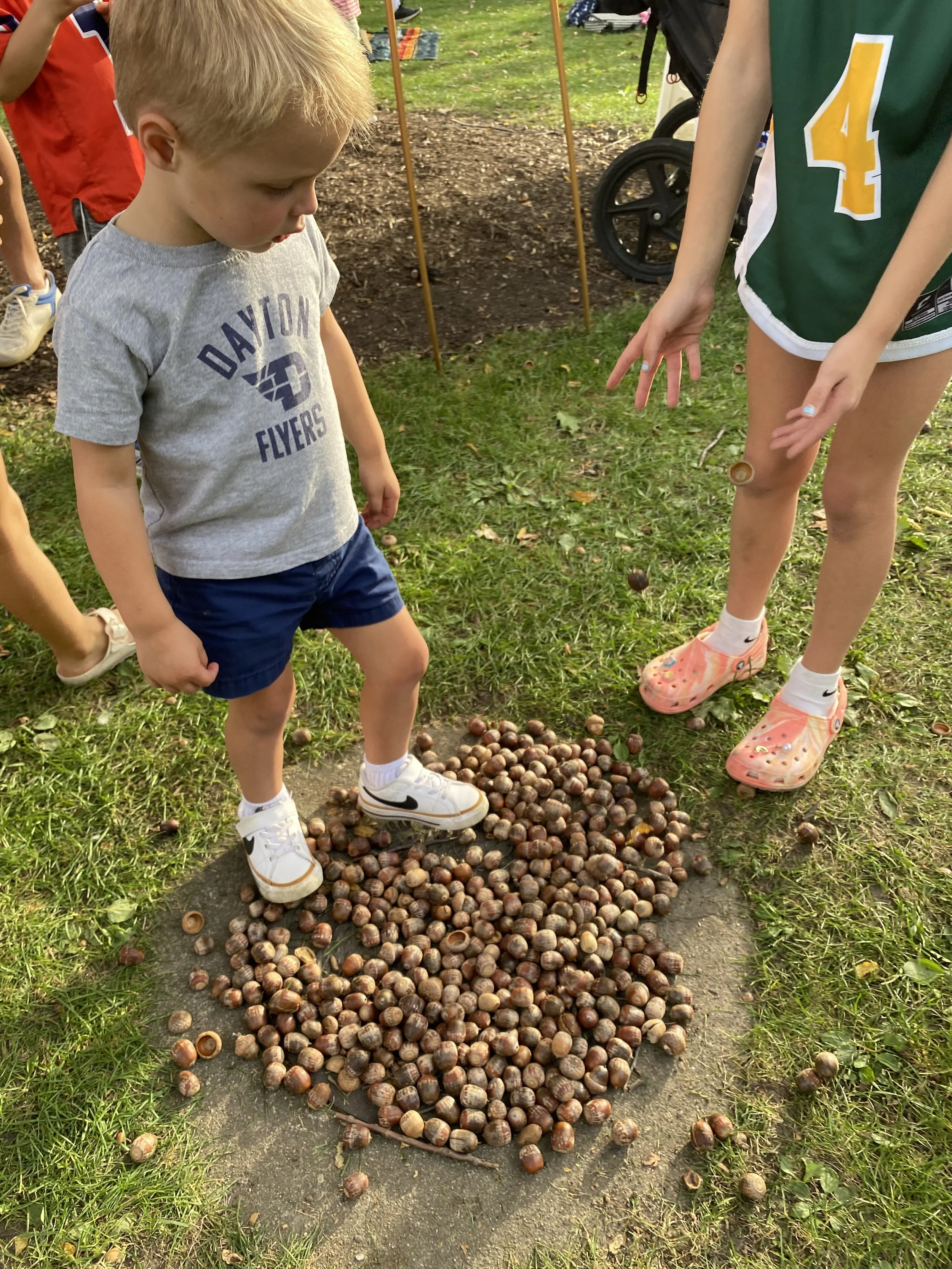
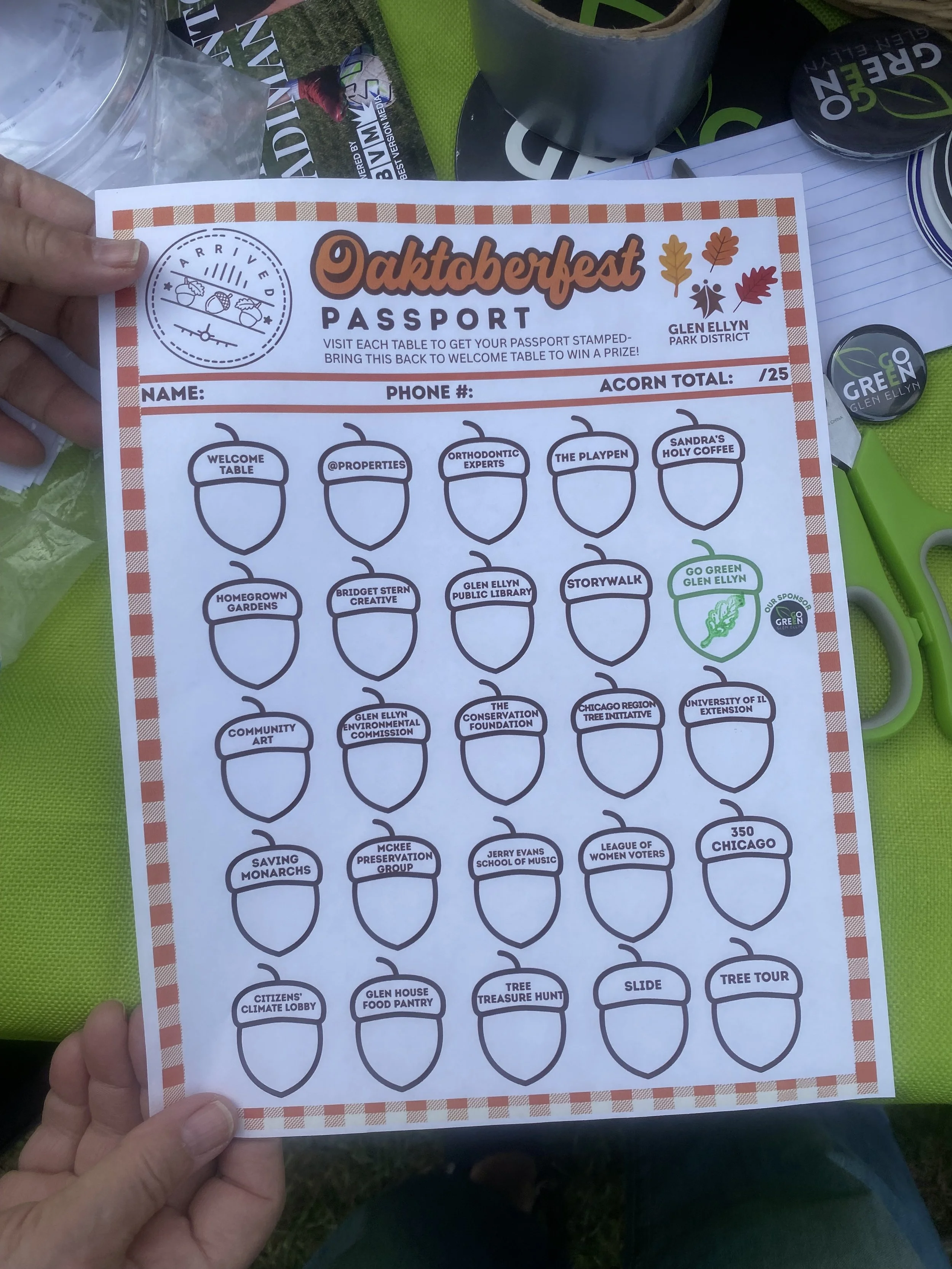
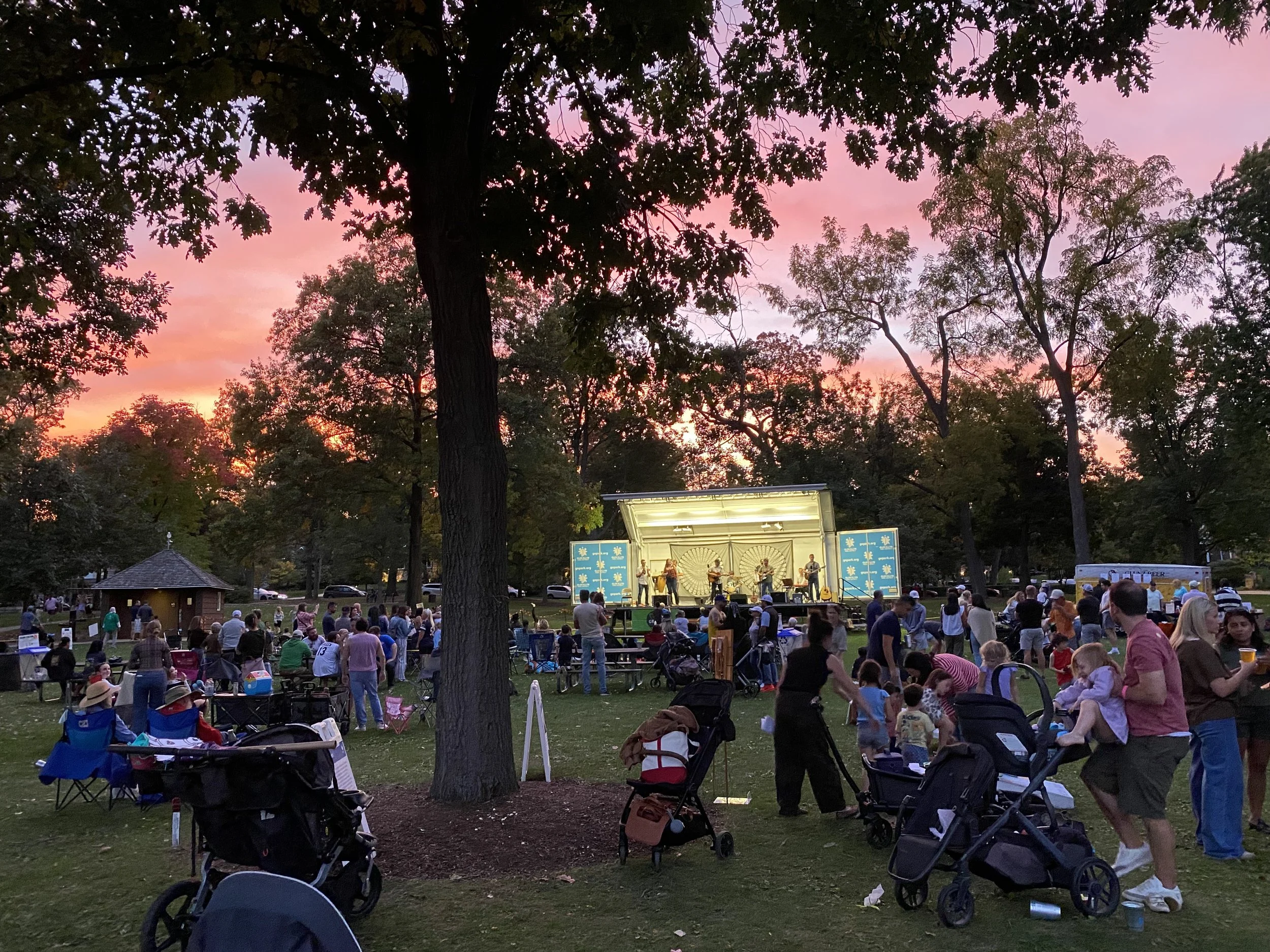
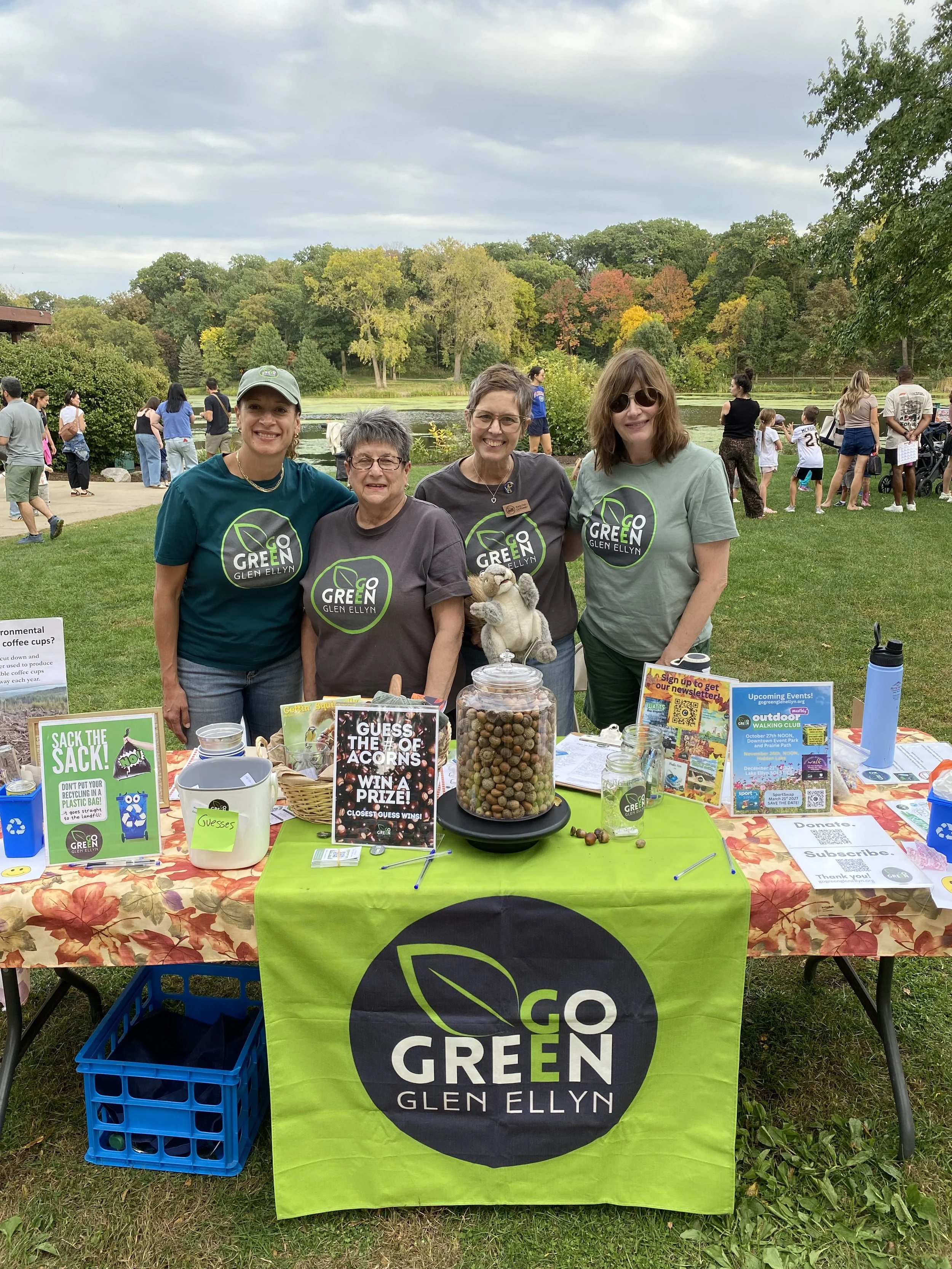
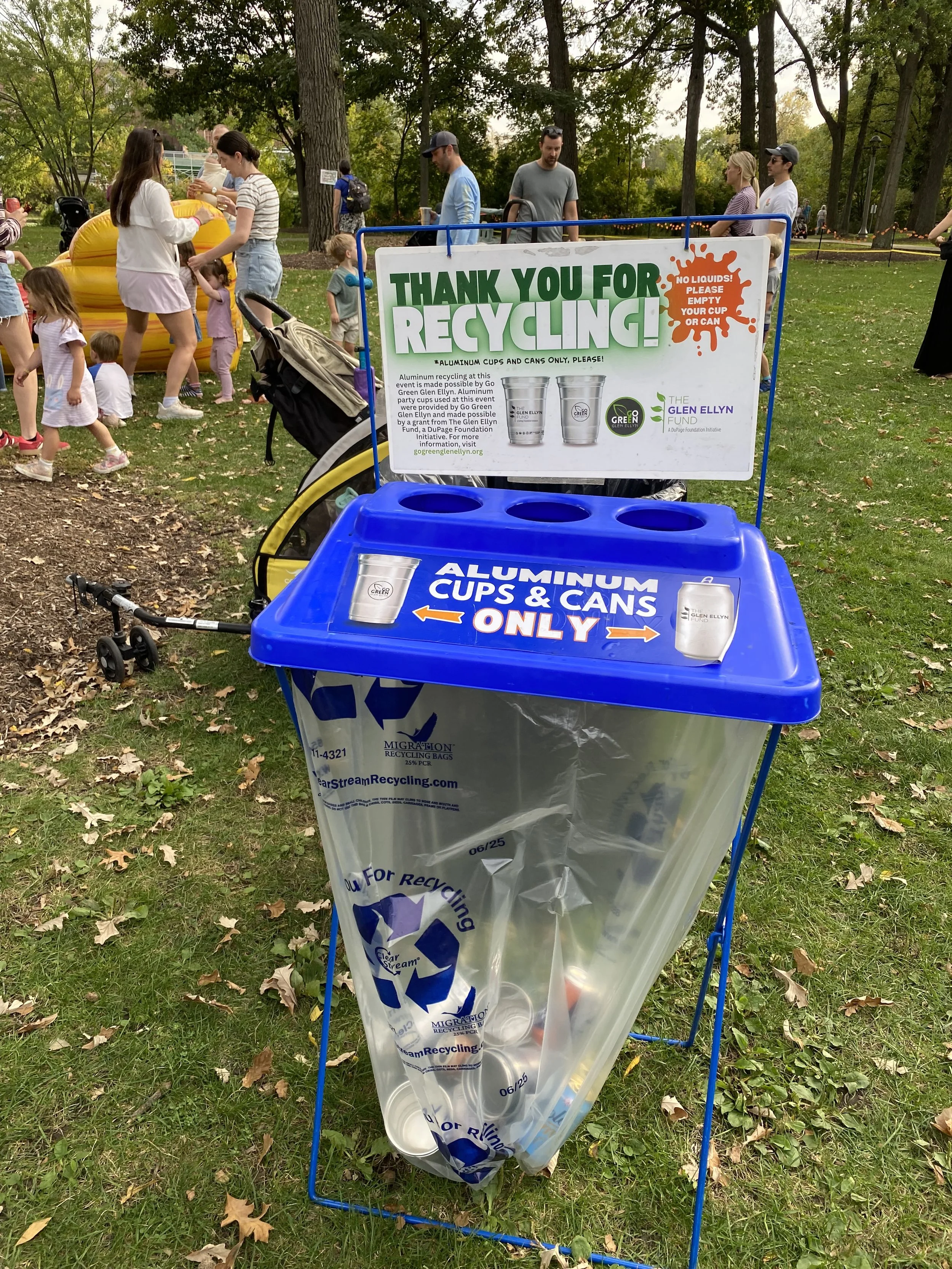
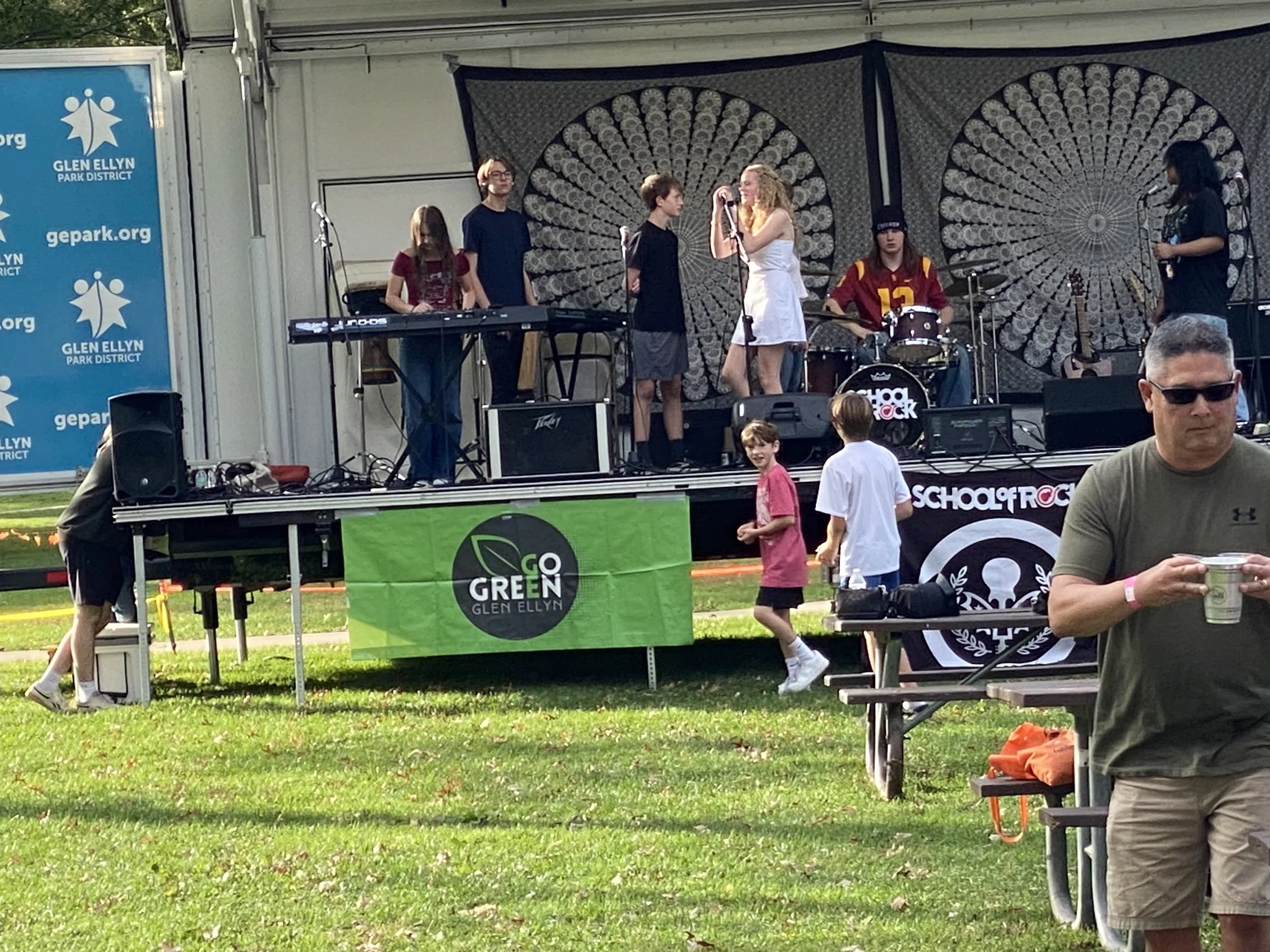
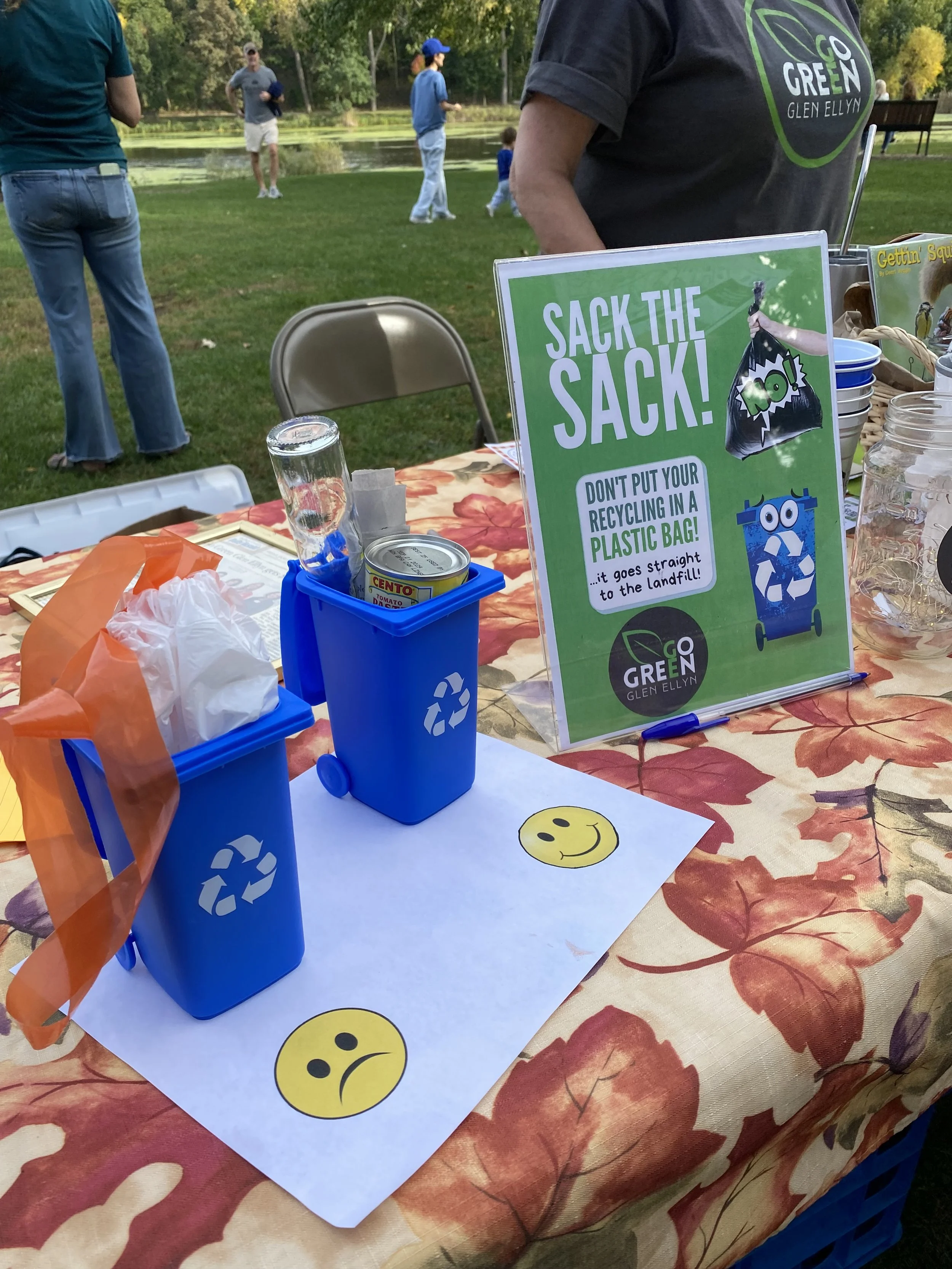
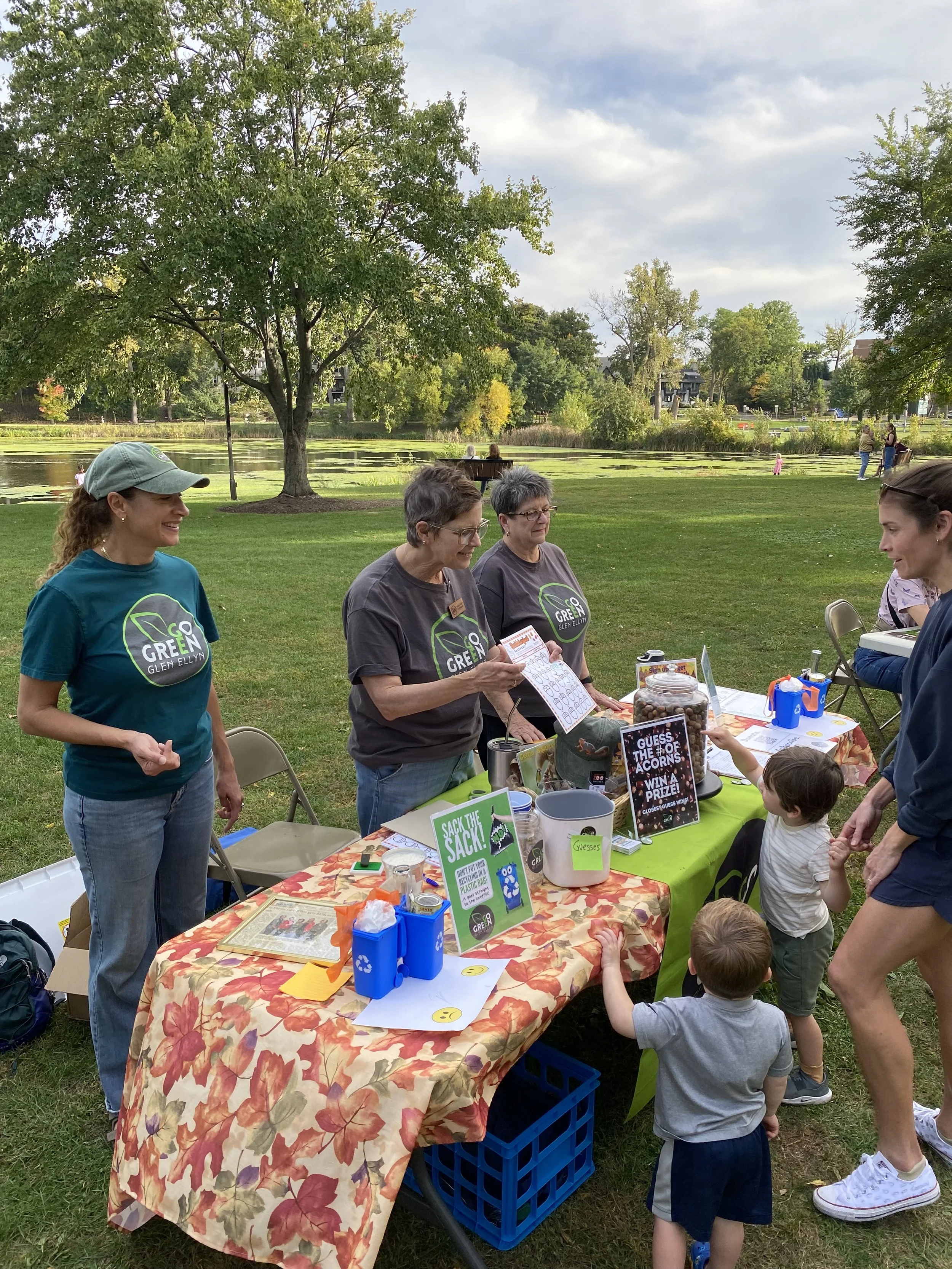
So you see why we celebrated our oaks at OAKtoberfest last week. We gathered under the trees, learned about them, played ‘a-corn hole’, talked to conservation groups, listened to music and well, drank beer. It was a party—but also a reminder that we need to protect these amazing trees. You can see some photos from the day, below.
The Canopy of Our Community
If you are a GGGE newsletter reader, you likely already know that Glen Ellyn has been designated a Tree City by the Arbor Foundation for 40 years! While we are fortunate that we have a substantial tree canopy, we can’t rest on our laurels. We have to preserve and grow our canopy. After 200 years of development, our oak population is declining. Current data puts the Village's tree canopy at about 39% and nearly 70% of that canopy is on private property. So we are not just talking about parks or arboretums here. Your yard is also key to keeping our canopy and our oak heritage alive.
Local conservation groups like The Morton Arboretum through the Chicago Regional Trees Initiative, organizations like the Glen Ellyn Park District and GE Parks Foundation, as well as community groups like Citizens for Glen Ellyn Preservation (and more recently, us!) have long advocated for area oaks. We need to especially protect our legacy pre-settlement oaks, as we have seen "clear-cutting" of lots during property teardowns and redevelopments. The Village’s Environmental Commission has also pushed for a stronger tree ordinance. Small actions matter: GGGE recently joined with neighbors to stop a sidewalk from being installed near a 200+ year old heritage Bur Oak on Cottage Ave.
The village has a “Tree Preservation Plan” requirement for development, but there is no permit needed to cut down trees on private land. There has been action, but more is needed. Read on below in ‘DO’ for what you can do to help.
The key oak species in Glen Ellyn are listed below. You can learn more about them, what their acorns and leaves look like and other facts with this field guide from the USDA.
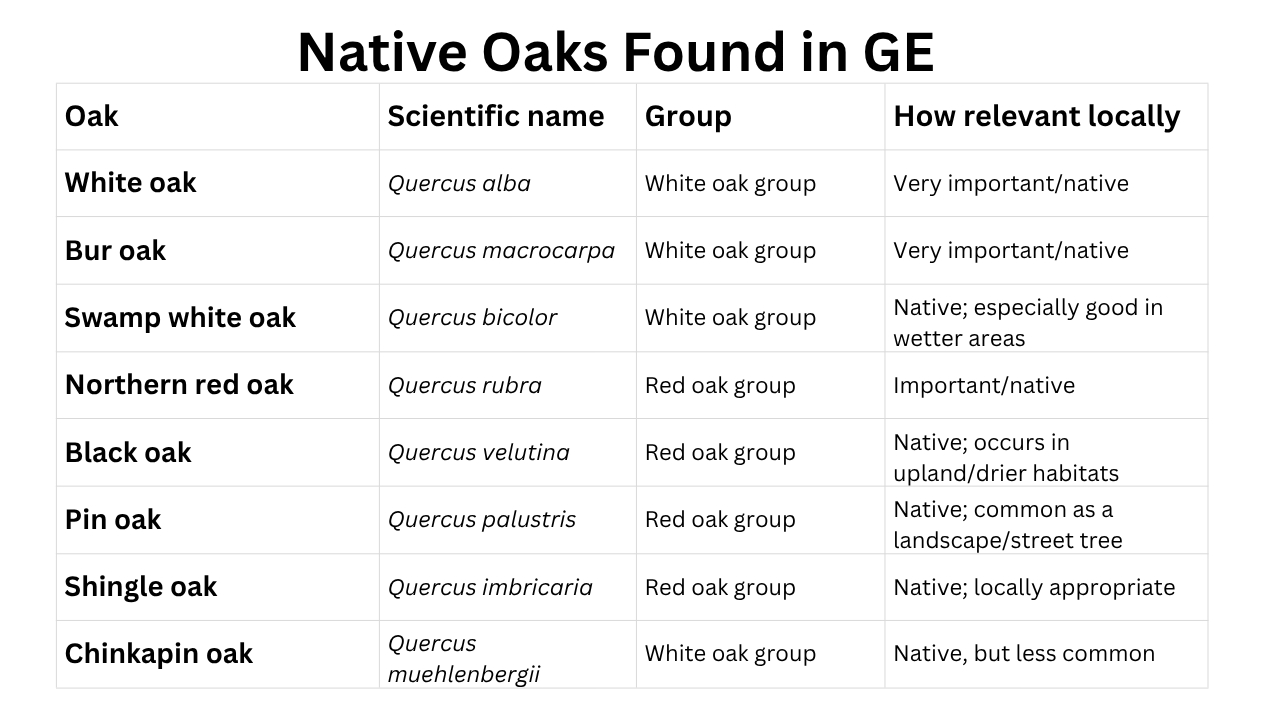
Native Oaks in our region
A Few Ways to Love Our Oaks:
Ponder, Plant and Preserve
Ponder: Take a walk through GE’s neighborhoods and parks or the Arboretum and just consider the oak trees! Look at an acorn (which incredibly holds all the ingredients to grow a giant!) and marvel at how nature works. Consider all these trees provide for us and although it may seem silly, give them a nod of gratitude and think about what else you can do for them (see below!)
Plant: If you have the room for it, plant an oak tree! There is still a window to plant trees before winter sets in. The Morton Arboretum has a great guide for selecting the right tree and suggests local nurseries to purchase one. You can also help Glen Ellyn plant trees when initiatives pop up (we will let you know!)
Preserve:
Protect mature oaks if you are lucky enough to have some in your yard. Here is a great resource from the Morton Arboretum.
Work to preserve the region’s oaks through the Chicago Regional Trees Initiative which has a host of ways to get involved like helping to map, plant and advocate.
Volunteer for action: Go Green GE plans to work with other local groups on this topic starting soon! If you share a passion for tree preservation in Glen Ellyn and want to help, give us a shout at info@gogreenglenellyn.org
( And perhaps we should add a 4th P: "Pay" - by donating to any of the organizations mentioned in today's newsletter!)
Thanks for listening, now take a walk! (in a beautiful oak forest of course...)